Thursday, 10 April 2025

Vegetable Biryani

[Collection]

The Art of Vegetable Biryani: An Aromatic Symphony of Flavors

Gather 'round, food enthusiasts! Today we're exploring the captivating world of vegetable biryani – a colorful, aromatic symphony of flavors that has conquered hearts globally. This isn't just another rice dish; it's a beautiful marriage of aged basmati rice and fresh vegetables, transformed through time-honored techniques and spice secrets that will fill your kitchen with the enticing aromas of Indian cuisine.

Whether you're a seasoned cook or just beginning your culinary journey, vegetable biryani offers the perfect balance of comfort and elegance. Let's unveil this art together, one fragrant layer at a time!

The Soul of Biryani: Perfect Ingredients

A traditional vegetable biryani relies on three fundamental components: aged basmati rice for the fragrant base, carefully selected whole spices for aromatic depth, and fresh vegetables cut precisely for even cooking. The rice, preferably aged for at least 6 months, must be soaked before cooking to ensure proper grain separation.

Ingredient Quantity Notes
Basmati Rice 2 cups Aged minimum 6 months
Cardamom 4 pods Green variety
Cloves 6 pieces Whole
Cinnamon 1 inch stick
Bay Leaves 2 pieces
Mixed Vegetables 3 cups Carrots, beans, peas, cauliflower, potatoes
Yogurt 1/2 cup For moisture and tanginess
Ginger-Garlic Paste 2 tbsp
Green Chilies 2-3 Adjust to heat preference

The Biryani Magic: Mastering the Method

A fragrant and flavorful vegetable biryani combines aromatic basmati rice with seasonal vegetables through precise techniques. The layering approach and pressure cooking method ensure perfectly cooked rice while vegetables maintain their texture and nutritional value.

  1. Rice Preparation: Soak basmati rice for 30 minutes, then drain thoroughly.
  2. Spice Infusion: Heat oil or ghee in a pressure cooker, adding whole spices to release their essential oils.
  3. Flavor Base: Sauté onions until golden, then add ginger-garlic paste, green chilies, and tomatoes.
  4. Vegetable Integration: Add uniformly cut vegetables and spices, cooking for 2-3 minutes.
  5. The Layering Technique: Spread the drained rice over the vegetables without mixing.
  6. Perfect Hydration: Add water and yogurt in the correct proportion (1:1.5 rice to water ratio).
  7. Dum Cooking: Close the pressure cooker and cook for one whistle on high heat, then immediately release pressure manually.
  8. Resting Period: Let the biryani rest for 5 minutes before gently fluffing the rice.

Chef's Secrets: Elevating Your Biryani

To create perfect vegetable biryani, mastering these essential cooking techniques will elevate your dish from good to exceptional:

  • Perfect Soaking: 30 minutes for the rice – no more, no less – ensures separated grains.
  • Uniform Cutting: Vegetables should be cut to specific sizes for even cooking while maintaining their integrity.
  • Layering Discipline: Always layer rice on top of vegetables rather than mixing initially.
  • Authentic Sealing: For traditional dum cooking, seal your pot with dough or foil to trap aromatic steam.
  • Spice Marination: Allow vegetables to briefly marinate in aromatic spices before layering.
  • Saffron Luxury: For special occasions, drizzle each layer with saffron-infused milk and ghee.

The Rich History: Beyond the Recipe

While many assume biryani must contain meat, vegetable biryani's fascinating history reveals a rich tapestry of cultural fusion and innovation. It traces back to the Nizams' courts, where Hindu bookkeepers working under Muslim rulers needed meat-free options.

Creative court chefs developed vegetarian versions using aromatic spices like cumin, cardamom, and turmeric. The slow-cooking process "dum" ensures flavors meld perfectly as rice and vegetables cook under pressure.

Biryani's journey weaves through Persian kitchens and coastal ports, absorbing flavors and techniques from diverse culinary traditions.

Through famines and food shortages, communities adapted by incorporating local ingredients like potatoes in Bengal, proving biryani's remarkable ability to transform while maintaining its essence.

Nutritional Balance: Mindful Enjoyment

Understanding vegetable biryani's nutritional profile helps us make informed decisions about this beloved dish. Rich in vitamins A and C from its vegetable medley, it provides important nutrients for maintaining overall health.

For a more balanced meal, consider these adaptations:

  • Try brown rice or quinoa for added fiber and nutrients
  • Increase the vegetable-to-rice ratio for more nutrients
  • Balance the carb-heavy nature with protein-rich sides like dal
  • Experiment with yogurt-based preparations for authentic taste with added health benefits

Whether you're recreating a traditional recipe or crafting your modern interpretation, vegetable biryani offers a canvas for creativity while honoring centuries of culinary wisdom. Each aromatic pot tells a story with every fragrant bite!

Tuesday, 8 April 2025

Aloo Gobi (Potato and Cauliflower Curry)

[Collection]

Aloo Gobi: The Soul-Warming Potato & Cauliflower Curry

There's a particular magic that happens when potatoes and cauliflower meet in a pan with aromatic Indian spices. As a chef who has prepared countless curries, I can tell you that Aloo Gobi represents comfort food at its finest – humble ingredients transformed into a dish that's greater than the sum of its parts.

What makes this curry special isn't fancy techniques or rare ingredients – it's the perfect harmony of earthy turmeric, warming garam masala, and the contrasting textures of tender potatoes against slightly firm cauliflower. Whether you're a novice cook or seasoned home chef, this approachable dish delivers impressive flavor while maintaining its rustic charm.

The Symphony of Ingredients

Every great dish begins with quality ingredients. For Aloo Gobi, we're focusing on two stars – potatoes and cauliflower – elevated by a supporting cast of aromatics and spices. The beauty lies in how these common vegetables absorb the complex spice blend, creating layers of flavor that develop with each bite.

Key Ingredients Quantity Chef's Notes
Cauliflower 1 medium head, cut into florets Look for tight, cream-colored heads without brown spots
Potatoes 3 medium, cubed Yukon Gold offer the perfect texture
Onion 1 large, finely chopped The foundation of flavor
Tomatoes 2 medium, chopped Provides tang and body
Ginger-garlic paste 2 tablespoons The aromatic foundation
Cumin seeds 1 teaspoon Whole seeds add texture and flavor pops
Turmeric powder 1 teaspoon Provides color and earthy notes
Garam masala 1 teaspoon Add at the end for aromatic finish
Cooking oil 3 tablespoons Neutral oil with high smoke point works best
Fresh coriander For garnish Brightens the entire dish

Crafting the Perfect Curry

Creating a memorable Aloo Gobi is all about technique and timing. Follow these steps to achieve the perfect balance of textures and flavors:

  1. Prep with purpose: Cut potatoes into 1-inch cubes and cauliflower into slightly larger florets – this ensures even cooking despite different densities.
  2. Layer the flavors: Begin by tempering cumin seeds in hot oil until they sizzle and become aromatic.
  3. Build the base: Add onions and sauté until golden brown (about 5-7 minutes) – patience here builds foundation flavor.
  4. Awaken the aromatics: Add ginger-garlic paste and cook until the raw smell disappears (about 1-2 minutes).
  5. Introduce tomatoes and spices: Add chopped tomatoes along with turmeric, chili powder, and coriander powder. Cook until oil begins to separate from the masala.
  6. Add vegetables strategically: Incorporate parboiled potatoes first, then cauliflower, coating everything in the spice mixture.
  7. Perfect the simmer: Cover and cook on low heat for 15-20 minutes, checking occasionally to prevent sticking.
  8. Finish with flair: Sprinkle garam masala, mix gently, and garnish with fresh coriander leaves.

Chef's Secrets: Elevating Your Aloo Gobi

After years in professional kitchens, I've collected these game-changing tips that transform good Aloo Gobi into great Aloo Gobi:

  • Soak potatoes in cold water for 20 minutes before cooking to remove excess starch and prevent them from becoming mushy.
  • Parboil potatoes to the halfway point before adding them to the curry – this ensures perfect tenderness without disintegration.
  • Control moisture carefully – Aloo Gobi should be relatively dry, not swimming in sauce. Let vegetables release their natural moisture before adding any water.
  • Season in layers rather than all at once – this builds complex flavor notes impossible to achieve with one-time seasoning.
  • Add kasuri methi (dried fenugreek leaves) in the final minutes of cooking for that authentic restaurant-quality aroma.
  • Rest the dish for 5-10 minutes before serving to allow flavors to harmonize.

A Tale of Two Vegetables

While Aloo Gobi feels timeless, it's actually a relatively modern creation in Indian cuisine's long history. The Portuguese introduced potatoes to India in the 17th century, while cauliflower arrived with British colonial influence in the 1820s. What makes this dish remarkable is how Indian cooks brilliantly incorporated these foreign vegetables into their ancient culinary traditions, creating something that now feels quintessentially Indian.

Region Aloo Gobi Variation Distinctive Feature
Punjabi Dhaba-style Rich tomato base, generous oil, hearty texture
Bengali Panch phoron Aloo Gobi Uses five-spice tempering, lighter preparation
South Indian Aloo Gobi Poriyal Includes curry leaves, mustard seeds, coconut

Beyond the Basic Recipe

The versatility of Aloo Gobi extends beyond its traditional preparation. For a healthier version, try air frying or steaming the vegetables before adding them to your spice base. At approximately 208 calories per serving, this dish offers substantial nutritional benefits, providing fiber, vitamins, and antioxidants.

Aloo Gobi exemplifies why Indian cuisine continues to captivate food lovers worldwide. It demonstrates how masterful spicing can transform simple ingredients into something extraordinary, proving that the most memorable dishes often come from humble beginnings. Whether served with roti, naan, or rice, this curry offers a perfect balance of comfort and complexity that makes it a standout in the vast landscape of Indian cuisine.

The next time you're looking for a dish that delivers big flavor without demanding professional skills, remember this Aloo Gobi recipe. It's a testament to the beautiful alchemy that happens when quality ingredients meet time-honored techniques – the very essence of what makes cooking such a joy.

Monday, 7 April 2025

Chana Masala (Chickpea Curry)

[Collection]

Mastering Chana Masala: The Ultimate Chickpea Curry Guide

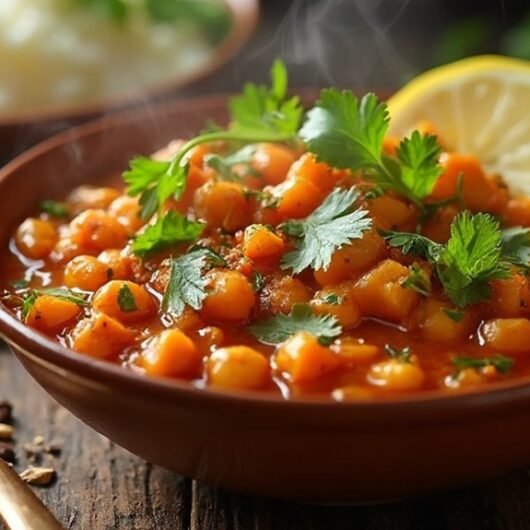
Delicious Chickpea Curry

In my decades of culinary exploration, few dishes have captured my heart quite like Chana Masala. This North Indian chickpea curry is the perfect marriage of simplicity and complex flavor—a dish that delivers restaurant-quality satisfaction with relatively minimal effort. Each spoonful offers tender chickpeas swimming in a richly spiced tomato gravy that's simultaneously tangy, spicy, and deeply comforting.

What I love most about this dish is its remarkable versatility. Whether you're cooking for a weeknight family dinner, meal prepping for busy days ahead, or impressing guests at a dinner party, Chana Masala rises to every occasion. The humble chickpea transforms into something truly magical when given the right treatment with aromatics and spices.

The Essential Ingredients

The beauty of Chana Masala lies in its harmonious balance of pantry staples and aromatic spices. While the ingredient list might seem extensive at first glance, most items are kitchen standards that create extraordinary flavor when combined properly.

Main Components Quantity Chef's Notes
Chickpeas (Chole) 1 cup dried or 2 cans (15 oz each) Dried provide better texture but require overnight soaking
Onions 2 medium, finely chopped Golden caramelization is crucial for depth of flavor
Tomatoes 3 medium, chopped Roma or vine-ripened offer best flavor
Ginger-Garlic Paste 2 tablespoons Freshly made delivers superior aromatic quality
Oil or Ghee 3 tablespoons Ghee adds wonderful nutty notes

Essential Spice Blend

  • 2 tablespoons Chana Masala powder (or make your own with cumin, coriander, and garam masala)
  • 1 teaspoon cumin seeds
  • 1 teaspoon ground turmeric
  • 1 teaspoon red chili powder (adjust to taste)
  • 1 teaspoon dried fenugreek leaves (kasuri methi) - the secret ingredient!
  • Salt to taste

The Cooking Method: Building Layers of Flavor

What separates a good Chana Masala from an exceptional one is patience. This dish rewards those who understand that flavor development happens in stages. Here's my foolproof approach:

  1. Prepare your chickpeas - If using dried, soak overnight and pressure cook with a pinch of baking soda until tender. With canned, rinse thoroughly to remove excess sodium and starch.
  2. Create the aromatic base - Heat ghee or oil in a heavy-bottomed pan. Add cumin seeds and wait for them to sputter and dance. This blooming of spices in hot fat is the foundation of all great Indian cuisine.
  3. Develop depth with onions - Add finely chopped onions and a pinch of salt. The salt helps extract moisture and speeds caramelization. Cook for 10-12 minutes until they reach a gorgeous golden-brown. Patience here pays tremendous dividends in flavor.
  4. Introduce ginger and garlic - Add your paste and sauté until the raw aroma dissipates, about 2 minutes. If it starts sticking, a splash of water helps release those flavorful brown bits from the pan bottom.
  5. Build the tomato base - Add chopped tomatoes and your ground spices. Cook until tomatoes break down and oil begins to separate from the mixture, creating what we call the "masala" (5-7 minutes).
  6. Marry the components - Add your chickpeas to this aromatic base. For an authentic touch, mash about 20% of the chickpeas with the back of your spoon to naturally thicken the gravy.
  7. Simmer and harmonize - Add water to achieve desired consistency, then let everything simmer together for 15-20 minutes. This is where magic happens as flavors meld.
  8. Finish with brightness - Turn off heat, then add crushed kasuri methi, fresh lemon juice, and chopped cilantro. These final touches provide the aromatic high notes that make the dish sing.

Chef's Secret Tips

Tea Bag Trick: Adding a plain black tea bag during cooking contributes a subtle smoky depth and enhances the traditional dark color of restaurant-style Chana Masala. Remove before serving!

Texture Balance: For the perfect consistency, crush some chickpeas against the side of your pot with a wooden spoon rather than blending. This creates a naturally thickened gravy while maintaining textural interest.

Spice Sequencing: Add your spices in the right order—whole spices first, followed by ground spices after the wet ingredients. This prevents burning and bitter flavors.

Resting Period: Like many curries, Chana Masala tastes significantly better after resting. If possible, make it a day ahead and gently reheat for intensified flavor.

Cultural Heritage in a Bowl

Every spoonful of Chana Masala connects you to thousands of years of culinary tradition. Archaeological evidence shows chickpeas were cultivated in the Indus Valley Civilization as early as 3300 BCE, and they've remained a protein staple across the Indian subcontinent ever since.

The dish we recognize today evolved through centuries of cultural exchange—Persian influences from the Mughal Empire contributed aromatic spicing techniques, while Portuguese traders introduced the now-essential tomatoes and chilies in the 16th century. After India's partition in 1947, Punjabi refugees spread this beloved recipe throughout the country and eventually worldwide.

Serving Suggestions

Accompaniment Pairing Notes
Basmati Rice The aromatic long grains beautifully capture the flavorful gravy
Fresh Naan Perfect for scooping and soaking up every bit of sauce
Raita (Yogurt Side) The cooling dairy provides welcome contrast to the spices
Pickled Onions Adds bright acidity and crunchy texture

Health Benefits: Nutrition in Every Bite

Beyond its incredible flavor, Chana Masala delivers impressive nutritional value with approximately 148 calories per serving. The chickpeas provide excellent plant-based protein and fiber, while the spices offer anti-inflammatory and digestive benefits. The combination of protein, complex carbohydrates, and healthy fats creates a satisfying meal that keeps you energized for hours.

This beloved dish proves that healthy eating need not sacrifice flavor. The next time you're craving something deeply satisfying yet nutritious, remember that a pot of Chana Masala offers nourishment for both body and soul—a true culinary gift that connects us to centuries of cooking wisdom.

Discover more authentic Indian recipes and culinary insights at AskMsRecipe.com, where tradition meets modern cooking technique.

Wednesday, 11 December 2024

Sous Vide Ribeye Steak With Herb Butter

```html Blog Post: Perfect Sous Vide Ribeye Steak with Herb Butter

Luxurious Sous Vide Ribeye Steak with Herb Butter

As a seasoned barista understands the art of a perfect brew, a similar finesse can elevate your next meal with an impressive sous vide ribeye steak. This technique flawlessly cooks your steak evenly, locking in juiciness and enhancing its flavor profile with minimal effort. What's more? A dollop of herb butter melts over your perfectly prepared steak, adding richness and a bouquet of fresh, aromatic notes that are sure to tantalize your taste buds.

For baristas and budding chefs alike, mastering sous vide cooking is a breeze. With a pinch of planning and a mere five ingredients, the path to a sublime ribeye steak dinner is remarkably undemanding yet immeasurably satisfying. Envision a steak with a smoky sear forming an alluring contrast to the buttery succulent tenderness it encases—culinary bliss awaits.

Ingredients:

  • Ribeye steak
  • Salt
  • Black pepper
  • Fresh herbs (options: thyme or rosemary)
  • Plentiful butter

To embark on this flavor journey, begin with a seasoned steak—salted and peppered with generosity. Introduce it to a snug vacuum-sealable bag, paired with your choice of fresh herbs and a spoonful of butter. Seal the ensemble and set your sous vide water bath to a cozy 129°F (54°C) for a medium-rare delight. Let it bask for 1.5 to 2 hours in its warm bath. Post-soak, retrieve and pat your steak, prepping it for a sizzling quick sear in a hot skillet for that sought-after gorgeous crust. And for the grand finale, lavish it with more herb butter just before serving.

It's important to remember, especially for perfectionists in the coffee world and kitchen alike, that a steak's searing moment is critical to its flavor. A blistering skillet is your faithful ally in achieving a well-deserved crust. Furthermore, a short rest post-sear allows the steak's juices to redistribute—rewarding you with a supremely juicy slice every time. So don't shy away from experimenting with various aromatic herbs in your butter for that personal touch of flavor perfection.

Succulent Sous Vide Ribeye Steak Recipe

Cooking Instructions and Ingredients

Revel in the easy decadence of creating a delectably tender and impeccably cooked sous vide ribeye using a shortlist of five essential ingredients. This method ensures your steak is uniformly cooked, allowing flavors to deepen and moisture to be cradled within. By keeping the seasoning clear and concise, the steak's inherent splendor shines through, making for an irresistibly enticing meal to dazzle the avid carnivore.

Before you begin, gather your arsenal of ingredients and ready your equipment. Sous vide is a testament to precise temperature control, your secret weapon to a fail-proof steak with textbook doneness. Once seasoned and sealed, let the steak undergo its transformation in the gentle waters of sous vide, emerging as a culinary masterpiece ready to grace any table. This marvel of kitchen technology optimizes your cook time and nails consistency—a true homage to efficient cooking.

Key Ingredients:

  • One magnificent ribeye steak
  • A dash of salt
  • A twist of pepper
  • A pat of butter
  • Minced garlic, for aromatic allure

Cooking your prized ribeye begins with a lavish seasoning of salt and pepper. Hermetically sealed in a vacuum bag, all air evicted, the steak is primed for perfection. The sous vide immersion circulator awaits at 130°F—for that impeccably medium-rare—and into the water bath the steak goes. Patiently, it cooks, its thickness dictating whether it simmers for 1 or up to 2.5 hours.

After its quiet cook, your steak emerges. Pat it dry, searing it in a screaming-hot cast iron skillet, each side a brief 30-40 seconds, until it dons a golden-brown corsage. A sprinkle of minced garlic in the skillet as the steak sizzles adds an extra layer of flavor. Crowned with butter, serve it forthrightly.

For those with an eye for detail, as is crucial in espresso extraction, allow your steak to reach a comfortable room temperature before it starts its culinary journey. And after its sous vide spa, dry it thoroughly—soggy steaks deny you the delight of a well-earned crust. Upon searing, give it a moment's repose, and behold as the steak boasts a flavorful juiciness with every tender bite.

Delicious Meal Preparation Guide

Achieving a peerless ribeye is by no means a formidable quest, but an encounter with the wondrous world of sous vide cooking. Revel in its convenience and be assured of sublime results. Precision rules here, ensuring your steak reaches the pinnacle of its potential, its natural juices and flavors intact and on full display.

A trip to the controlled waters ensures your steak’s success; a brief scorch subsequently seals the deal, cloaking your ribeye in a crisp gown that will stir your senses.

And to push the realm of a rich feast into the territories of indulgence, we employ the magic of compound butter. Just a few ingredients shy of a masterpiece, your kitchen is the stage for an unforgettable ribeye steak that will resonate with fervor on the palate.

Required Ingredients:

  • Prime ribeye steak
  • Coarse salt
  • Crushed black pepper
  • Garden-fresh herbs (select from thyme, rosemary, etc.)
  • Homemade or store-bought compound butter

Embark on cooking your sous vide ribeye by first tenderly seasoning your steak. Cradle it in a vacuum-sealed embrace along with herbs plucked fresh, ensuring it's air-free and snug. Finesse your sous vide bath to your preferred warmth (medium-rare aficionados might set it between 130°F to 135°F). Submerge your steak for its 1- to 2-hour culinary retreat.

This saga culminates as you retrieve your steak, dry it to perfection, and introduce it to the fiery dance of a high-heat skillet. Give it a gracious 1-2 minutes twirl per side until the crust forms its golden hue. Anoint with compound butter as it sears, and you're ready to unveil your magnum opus.

For the sous vide devotee, consistency is paramount—maintain an even temperature in the water bath. Drape your steak in precision, but keep an eye on it—if it attempts to surface, anchor it down with a clip. This balance is the keystone of its success.

Nevertheless, do not bypass the joy of the sear; it is as important as a barista's froth on a cappuccino. It rounds off your creation with textural contrast and carmelized notes beyond compare. And recall that by vacuum sealing, you are a guardian of the steak's vital essence, safeguarding its nutrients and flavors like a pro.

Sealing the Deal: Conclusion

Concocting a divine sous vide ribeye steak adorned with herb butter is simpler than the intricate layers of a macchiato. This methodology ushers in a perfectly prepared steak—tender, flavorful, a jewel of the dining event. Like the careful calibration of a coffee machine, the sous vide technique assures every fiber of steak cooks uniformly, becoming a vessel of deliciousness when met with herb butter. Make your mark, and be known for a dish that awes guests with modest ingredients and leaves the complexities behind-the-scenes. For the epitome of crust and tenderness, let your steak dry and then sear. Delight in the flexibility of sous vide cooking; timings can sway to suit your tastes.

Task your trusty cast-iron skillet with the final, glorious step, and it shall oblige by delivering that majestic crust. Relish in your creation, and remember—with a hint of patience, the flavors you'll unlock are nothing short of exquisite.

The post Sous Vide Ribeye Steak With Herb Butter appeared first on Vacuum Sealer Center.

```

Wednesday, 30 October 2024

Best Smoker for Turkey: Top Picks for Juicy Results

```html

The Delicious Difference a Top-Tier Smoker Makes

Have you ever sunk your teeth into a slice of smoked turkey and been transported to flavor heaven? Then, on another occasion, been utterly disappointed? Well, my fellow culinary aficionados, the unsung hero behind that scrumptious bite is often the smoker itself. After spending years mastering the craft of smoking turkeys to perfection, I'm here to share a little wisdom: selecting the best smoker for turkey is a game-changer.

Whether you consider yourself the king or queen of the grill, or you just love to spice things up in the backyard, finding the right smoking companion will elevate your poultry prowess to new heights. For all my treasured tricks and tips, why not visit our detailed guide?

Best Smoker for Turkey: Top Picks for Juicy Results


Happy Smoking!

Hot Electric Smoker

```

Tuesday, 29 October 2024

Best Smoker for Turkey: Top Picks for Juicy Results

```html Smokin' Secrets: The Top Turkey Smokers Revealed!

Unlock the Flavors of a Perfectly Smoked Turkey!

Have you ever sunk your teeth into a succulent slice of turkey, only to wonder why it tastes like a slice of heaven? The secret isn't just in the seasoning—it's in the smoke! As a homemaker who has dedicated countless hours to the art of smoking meats, I am thrilled to pull back the curtain and unveil the Best Smoker for Turkey. This is for all you fabulous cooks out there, whether you're the king or queen of the pit or just taking your first steps into the yummy world of backyard BBQ.

Choosing the right smoker is key, and I’ve done the legwork so you don’t have to. Hold on to your oven mitts; we're about to embark on a flavor journey that just might transform your turkey traditions!

Catch a glimpse of my full review and top recommendations on Hot Electric Smoker—your go-to destination for all things smoked and savory!

Why Trust My Smoker Selection?

  • I've tried and tested various smokers, jotting down every detail.
  • Years of seasoning and patience combine into each piece of advice.
  • My recommendations are tailored for both advanced pit masters and BBQ beginners.

I understand that you're itching for some intel, so hop over to Hot Electric Smoker where I share my exclusive list of top smokers. Transform your turkey from just 'okay' to 'oh-wow' with the perfect smoker! Stay smoky and enjoy the journey to flavorful perfection.

Feature Details
Smoker Type Electric, Charcoal, Gas, Wood
Capacity How much turkey can you smoke at once?
Temperature Control Precision is key for the perfect smoke!
Portability Need one that’s good on the go or a stay-at-home model?
Price Invest in quality for a standout smoker!

So don’t wait any longer, get ready to wow your guests and turn your next turkey into the talk of the table. Click on through to Hot Electric Smoker and let's get those turkeys smoking!

``` In the above HTML content, a conversational and engaging tone is used to communicate the experience of finding the perfect smoker for turkey. Lists and tables are used for clarity and readability, and the link to the original source is included for those who want to delve deeper into the smoker recommendations.

Monday, 28 October 2024

Best Smoker for Turkey: Top Picks for Juicy Results

Unlock the Secrets to a Perfect Smoked Turkey!

How to Choose the Right Smoker for the Ultimate Turkey Feast!

Have you ever bitten into a piece of smoked turkey and thought to yourself, "Why isn't my turkey this delightful?" Well, fellow home cooks, the key lies in the smoker! As an experienced homemaker, I've discovered that the right equipment can morph a lackluster, dry bird into a moist, taste-packed sensation. Selecting the ideal smoker for a whole turkey isn't a walk in the park—there's a whole world of options out there!

Why the Smoker Matters

Not all smokers are created equal, and the one you choose can make or break your holiday centerpiece. It's all about consistent temperature, smoke distribution, and space! Your turkey needs room to baste in its smoky bath, emerging as the star of your feast.

Curious about where to find the best smokers that can handle your turkey with the finesse it deserves? Look no further than the Top Picks for Juicy Results curated by the experts over at Hot Electric Smoker.

Our Top Smoker Types:

Type Pros Cons
Electric Smokers Convenient and easy to control Sometimes lack the authentic smoky flavor
Charcoal Smokers Rich flavor Requires more effort to maintain temperature
Propane Smokers Portable and easy to use Need to keep an eye on fuel levels
Pellet Smokers Set-it-and-forget-it convenience Can be pricey upfront

Ready to turn your turkey from mundane to magnificent? Don't miss the comprehensive reviews at Hot Electric Smoker, where you'll find the best smokers to achieve that perfect blend of smoke, flavor, and moisture.

```